Show the source
A conclusion is easier to assess when the relevant passage and its origin are visible.
Verity helps people examine the sources behind a claim, understand the gaps, and keep a record of what they found.
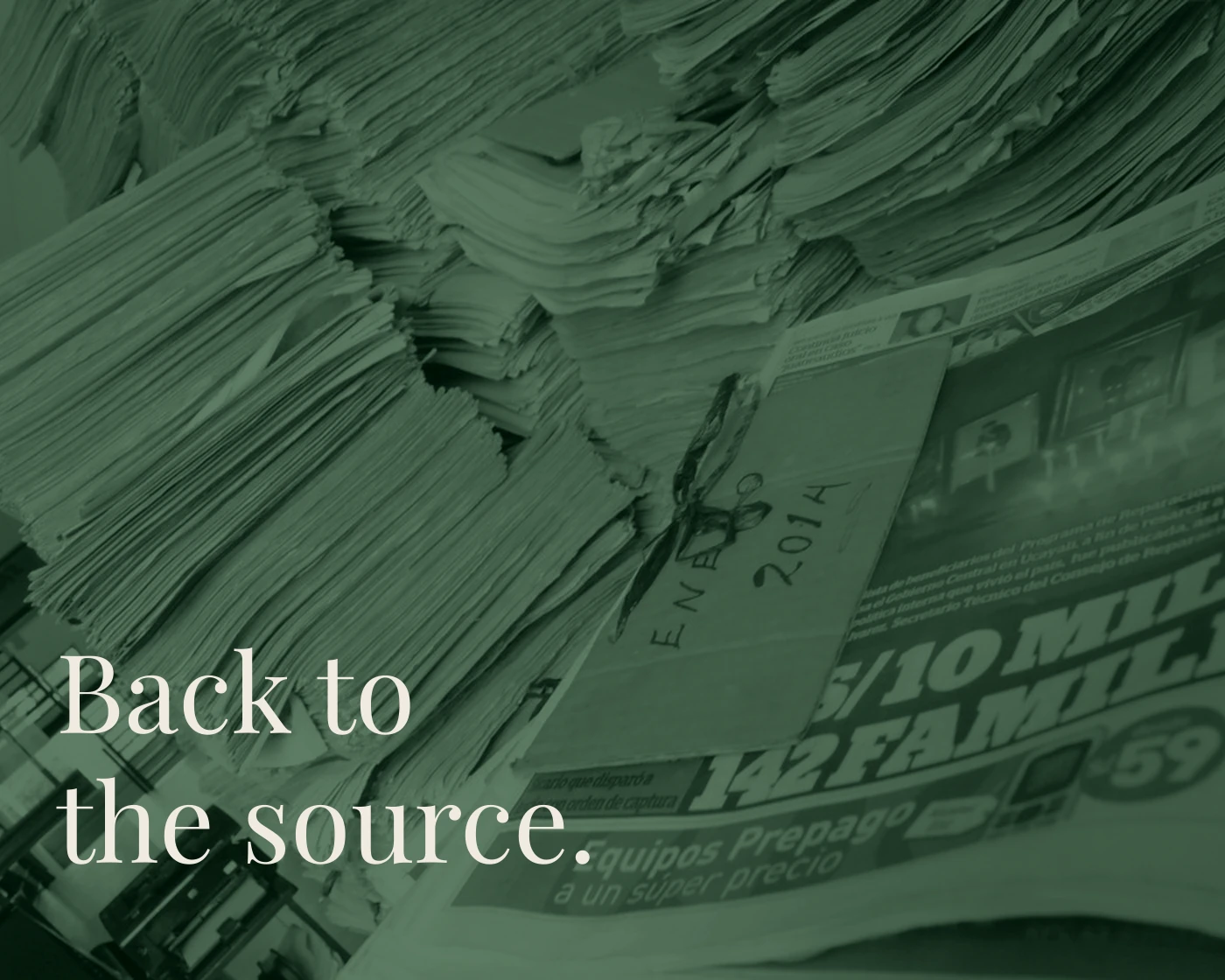
A sentence can travel a long way before anyone opens its source. Verity brings that moment of scrutiny into everyday research, writing, and review.
Start with the wording. Follow the citation. Decide whether the evidence supports the conclusion, or whether the claim needs to change.
How a review worksVerity is being built from Botswana. Local context matters: a source that is useful in one country may say little about a claim in another.
That perspective shapes the work on regional coverage, original sources, and the dates and definitions behind a statement. Coverage varies by subject. When the evidence is missing, the review should say so.
A conclusion is easier to assess when the relevant passage and its origin are visible.
A partial answer can be useful. Missing evidence must remain visible, even when a score is available.
Review proposed wording before accepting it. Keep the evidence that informed your decision.