Follow the claim back to its evidence.
A useful review explains what is supported, what is contradicted, and what the available sources cannot settle.
Read the passage.
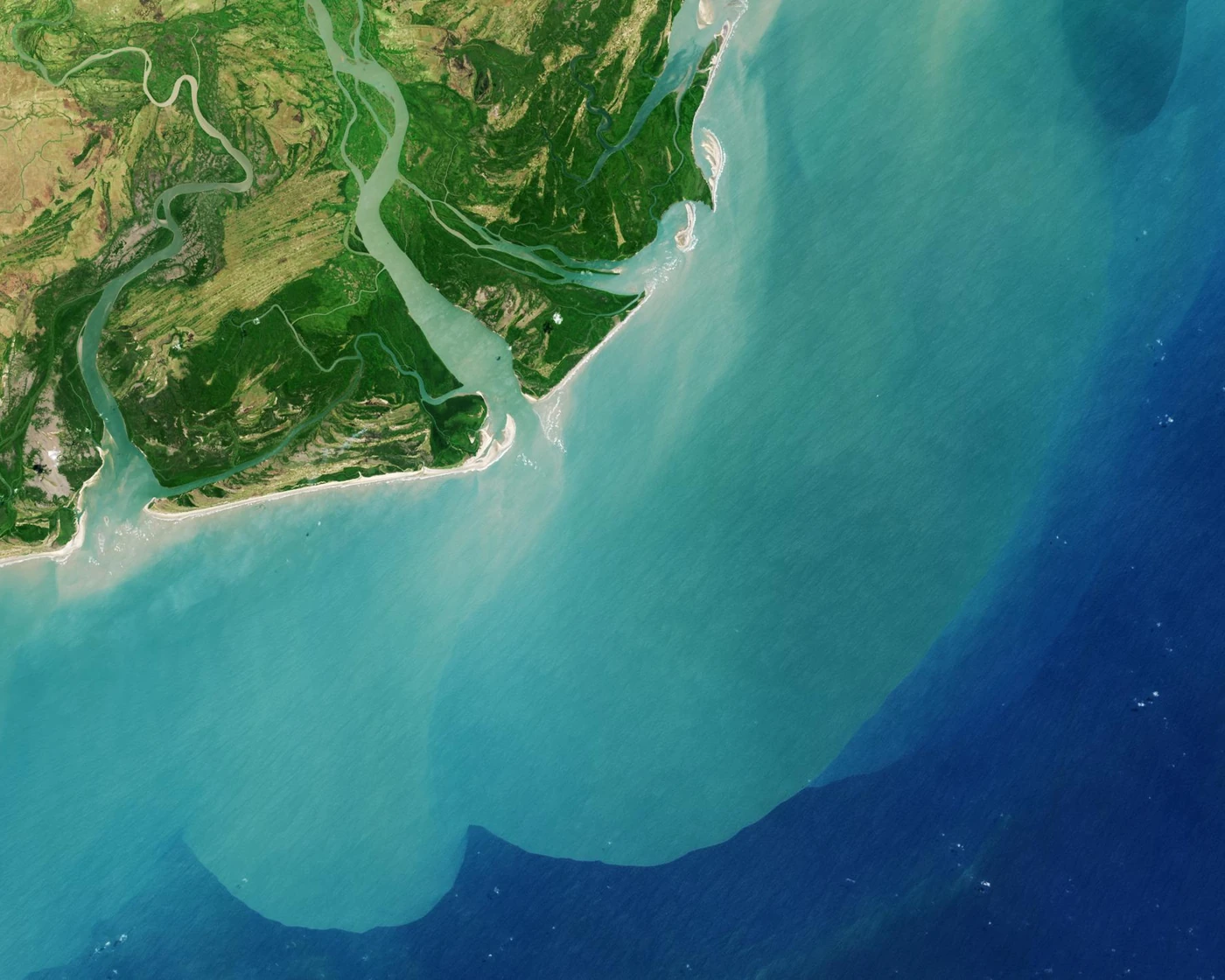
Sandbars and barrier spits stretch across the mouths of the delta, and suspended sediment extends tens of kilometers out into the sea.
The distance is part of the evidence. Keep it with the place and the original source.
Start with the exact wording
Dates, places, populations, and qualifying words can change a claim. Keep them in view when comparing it with a source.
- Separate statements that need different evidence.
- Preserve negation and limits such as “may,” “some,” and “during the study.”
- For a document, compare extracted text with the original before reviewing the claims.
Check what the source actually says
A relevant citation is the beginning of the check. Read the passage and the context around it.
- Prefer the original study, filing, announcement, or record when available.
- Check the publication date and whether a later source updates the information.
- Treat several articles repeating one source as one evidence trail, not independent confirmation.
Account for disagreement
Different sources or models may reach different conclusions. The review should explain which part of the claim is affected.
- Distinguish a direct contradiction from a difference in date, definition, or scope.
- Keep missing evidence visible instead of interpreting it as support.
- Use VeriScore with the verdict and explanation. It is a review signal, not a probability of truth.
Decide what needs to change
Use the findings to review the original statement and any proposed wording.
- Accept a suggested correction only after checking its supporting evidence.
- Leave unresolved claims marked for further review.
- Keep the source references and limitations with the exported report.
Put a statement under review.
Start with one claim, then inspect its wording, sources, and explanation.